 Contact Us


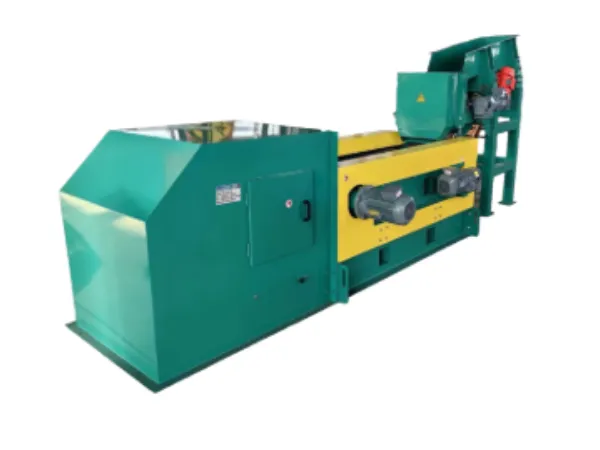
Product Description
When the non-ferrous metal eddy current separator is working, a high-frequency alternating strong magnetic field is generated on the surface of the magnetic roller. When conductive non-ferrous metals pass through the magnetic field, the eddy current separator induces eddy currents in the non-ferrous metals. These eddy currents generate a magnetic field in the opposite direction to the original magnetic field.
Non-ferrous metals, such as copper and aluminum, are propelled forward along the conveying direction by the repulsive force of the magnetic field. This separates them from non-metallic materials and achieves the purpose of sorting. The main sorting criterion is the ratio between the material's electrical conductivity and density. The lower the ratio, the more difficult the material is to separate.
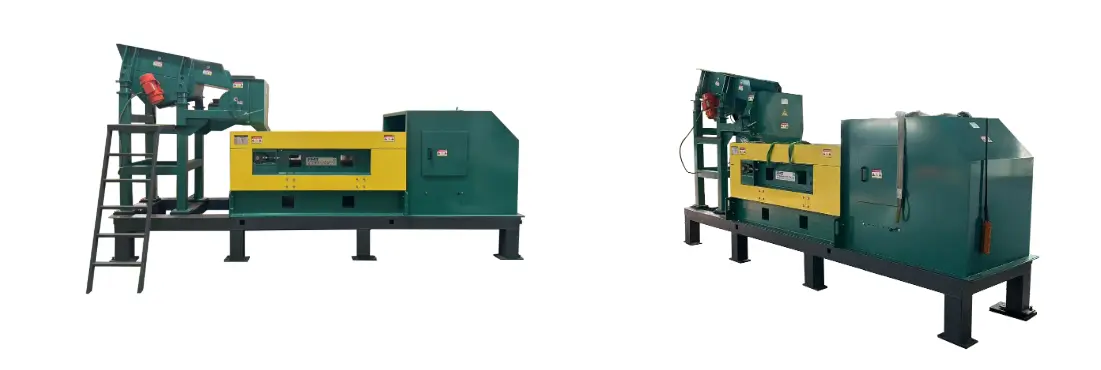
Eddy Current Separators Are Suitable For
- Sorting, smelting, and casting aluminum and copper.
- Removing aluminum caps from recycled glass waste and sorting aluminum and aluminum alloys.
- Recovering aluminum or copper blocks from bulk materials.
- Recovering non-ferrous metals from incinerated printed circuit boards.
- Separating and recovering aluminum cans from municipal waste.
- Separating copper, aluminum, zinc, lead, and other non-ferrous metals.
Video Reference
Features of Eddy Current Separator
- Advanced eccentric rotor design.
- Optimized rotor magnetic system distribution with multiple poles and high magnetic field strength for optimal sorting performance.
- Adjustable rotor and conveyor belt speeds for easy on-site adjustment and optimized sorting.
- Electronic control system with optional touch screen and equipment monitoring sensors.
- Complete range of models with effective sorting belt widths from 50 to 200 cm.
The eddy current separator is not suitable for sorting magnetic materials. Excessive magnetic material entering the eddy current sorting stage may cause serious damage to the equipment.
Iron removers, magnetic drums, and other sorting equipment should be used to remove ferrous materials before they enter the eddy current sorting section.
Application Scope of Eddy Current Separator
- Sorting non-ferrous metals from municipal solid waste (MSW).
- Separating copper and aluminum from plastic bottle flakes (PET).
- Separating non-ferrous metals from boiler bottom ash.
- Recovering precious metals from waste electrical and electronic equipment (WEEE).
- Separating non-ferrous metals from scrap tires.
- Separating copper and aluminum from glass scraps.
- Separating copper and aluminum from foundry sand.
- Sorting non-ferrous metals from automotive shredder residue (ASR).
- Separating non-ferrous metals from waste-to-energy materials.
- Sorting non-ferrous metals from wood scraps.
- Sorting non-ferrous metals from waste paper.
- Separating non-ferrous metals from shredded scrap steel materials.
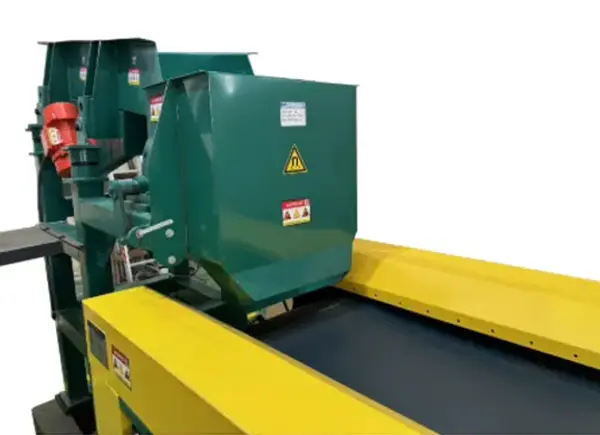
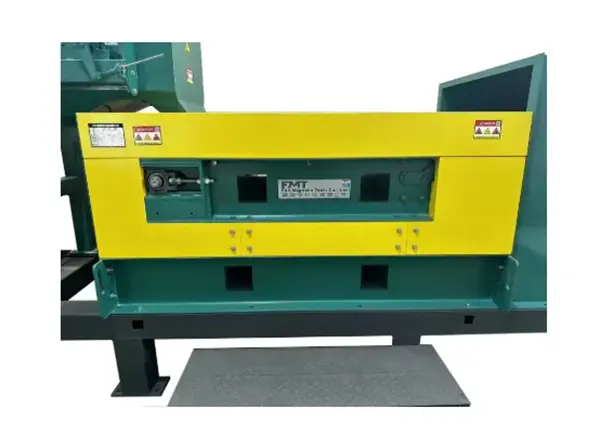
Equipment Detail Photos
What Are the Advantages of Eccentric and Concentric Eddy Current Separators?
- The rotor position of an eccentric eddy current separator enables effective and precise separation of non-ferrous metals.
- The eccentric eddy current separator is optimized for sorting small materials.
- The adjustable rotor position can be configured according to different material specifications to achieve optimal sorting performance.
- Concentric eddy current separators may experience belt burn-through when iron or ferrous particles enter the sorting area. The eddy current heats these particles, potentially damaging the belt and roller. Eccentric eddy current separators avoid this problem.
- The magnetic rotor can be tilted inside the drum to adjust the discharge angle and the point at which non-ferrous metals are ejected. This allows the rotor position to be adjusted for optimal material separation.
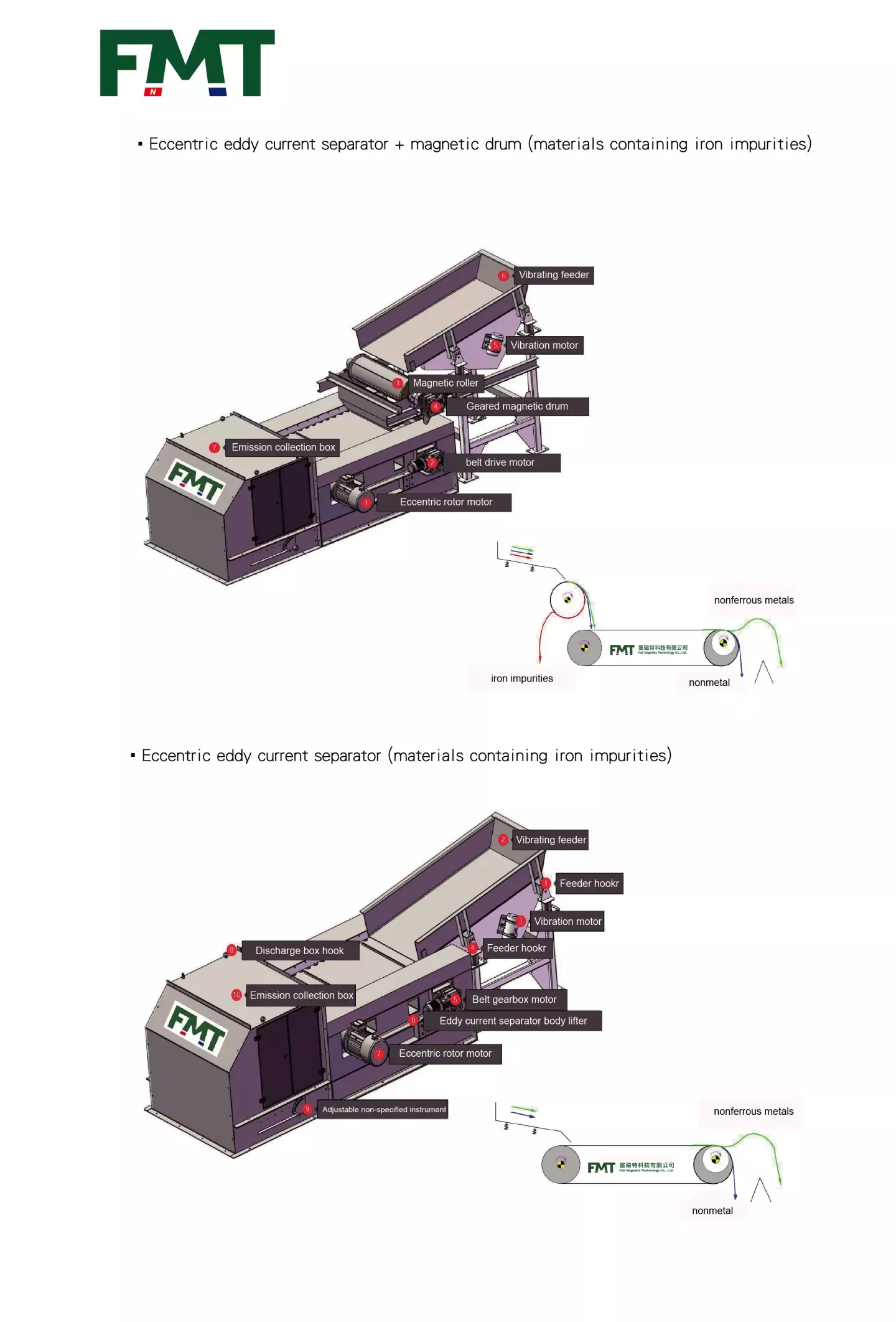
Institutional Design
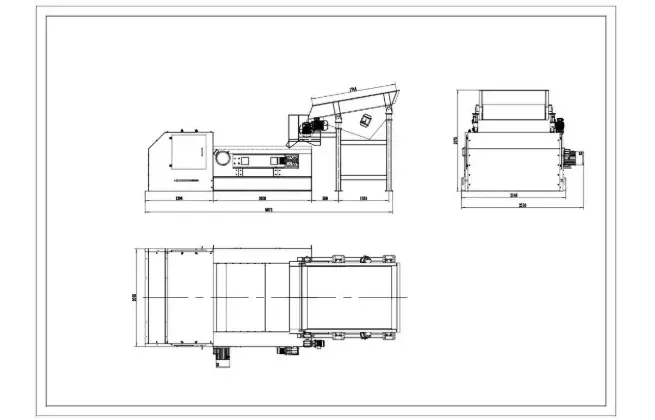
Concentric Technical Parameters
| Type | Belt Width (mm) |
Belt Length (mm) |
Feed Size (mm²) |
Capacity (m³/h) |
Power (kW) |
Weight (kg) |
Overall Dimensions L×W×H (mm) |
|---|---|---|---|---|---|---|---|
| ESC-5C | 300 | 1500 | ≥25 | 8 | 5.9 | 630 | 4600×1123×1200 |
| ESC-6C/6.5C | 400/400 | 1500 | 12/15 | 5.9/5.9 | 795 | 4600×1223/1423×1200 | |
| ESC-8C | 600 | 1500 | 22 | 5.9 | 1120 | 4600×1623×1200 | |
| ESC-10C | 800 | 1500 | 27 | 6.3 | 1450 | 4600×1823×1200 | |
| ESC-12C | 1000 | 1500 | 32 | 7.0 | 1750 | 4600×2023×1200 | |
| ESC-14C | 1200 | 1500 | 37 | 8.8 | 2150 | 4600×2223×1200 | |
| ESC-16C | 1400 | 1500 | 42 | 10 | 2950 | 4600×2423×1200 | |
| ESC-17C | 1500 | 1500 | 47 | 10 | 3000 | 4600×2523×1200 | |
| ESC-20C | 1800 | 1500 | 52 | 10.7 | 3550 | 5000×2823×1200 |
Eccentric Technical Parameters
| Type | Belt Width (mm) |
Belt Length (mm) |
Feed Size (mm²) |
Capacity (m³/h) |
Power (kW) |
Weight (kg) |
Overall Dimensions L×W×H (mm) |
|---|---|---|---|---|---|---|---|
| ESC-5E | 300 | 1500 | ≥1 | 6 | 5.9 | 730 | 4600×1123×1200 |
| ESC-6E/6.5E | 400/400 | 1500 | 10/15 | 5.9/5.9 | 895/950 | 4600×1223/1423×1200 | |
| ESC-8E | 600 | 1500 | 20 | 5.9 | 1225 | 4600×1623×1200 | |
| ESC-10E | 800 | 1500 | 25 | 6.3 | 1555 | 4600×1823×1200 | |
| ESC-12E | 1000 | 1500 | 30 | 7.0 | 1875 | 4600×2023×1200 | |
| ESC-14E | 1200 | 1500 | 35 | 8.8 | 2275 | 4600×2223×1200 | |
| ESC-16E | 1400 | 1500 | 40 | 10 | 2850 | 4600×2423×1200 | |
| ESC-17E | 1500 | 1500 | 45 | 10 | 3150 | 4600×2523×1200 | |
| ESC-20E | 1800 | 1500 | 50 | 11 | 3650 | 5000×2823×1200 | |
| ESC-22E | 2000 | 1500 | 55 | 13 | 4500 | 5000×3023×1200 |


